
Key Takeaways
- Myopia control contact lenses correct vision and work to slow the progression of nearsightedness in children.
- Two common options are soft daily disposable lenses and orthokeratology (ortho-k) lenses.
- Starting treatment earlier can lead to greater long-term benefits for your child’s eye health.
- Outdoor time, reduced screen use, and routine eye exams all support the effectiveness of treatment.
What Myopia Control Contact Lenses Actually Do
If your child’s prescription keeps getting stronger year after year, you’re likely wondering what you can do about it. Watching their vision change and knowing they may face more risks as they get older can be a worrying experience for any parent.
Myopia control contact lenses are designed to correct your child’s vision while also working to slow how quickly their myopia progresses. These lenses work by focusing light on the periphery of the eye in a way that slows its growth front-to-back.
At Lowy and Sewell Eye Care, we work with families to find the right approach for their child’s eye care.
Types of Myopia Control Lenses
Not every child is the same, and neither is every myopia control approach. There are two main types of contact lenses used for myopia management, and knowing the difference can help you have a more informed conversation with your optometrist.
Soft Daily Disposable Lenses
These lenses are a practical option for children and teens. You open a fresh pair each morning and throw them away at the end of the day. No cleaning, no storing, no fuss.
Myopia control lenses not only correct vision, but also focus light on the periphery of the eye in a way that helps slow eye growth front-to-back. Because myopia is caused by elongation of the eye, this slows the rate at which the condition progresses.
Orthokeratology Lenses
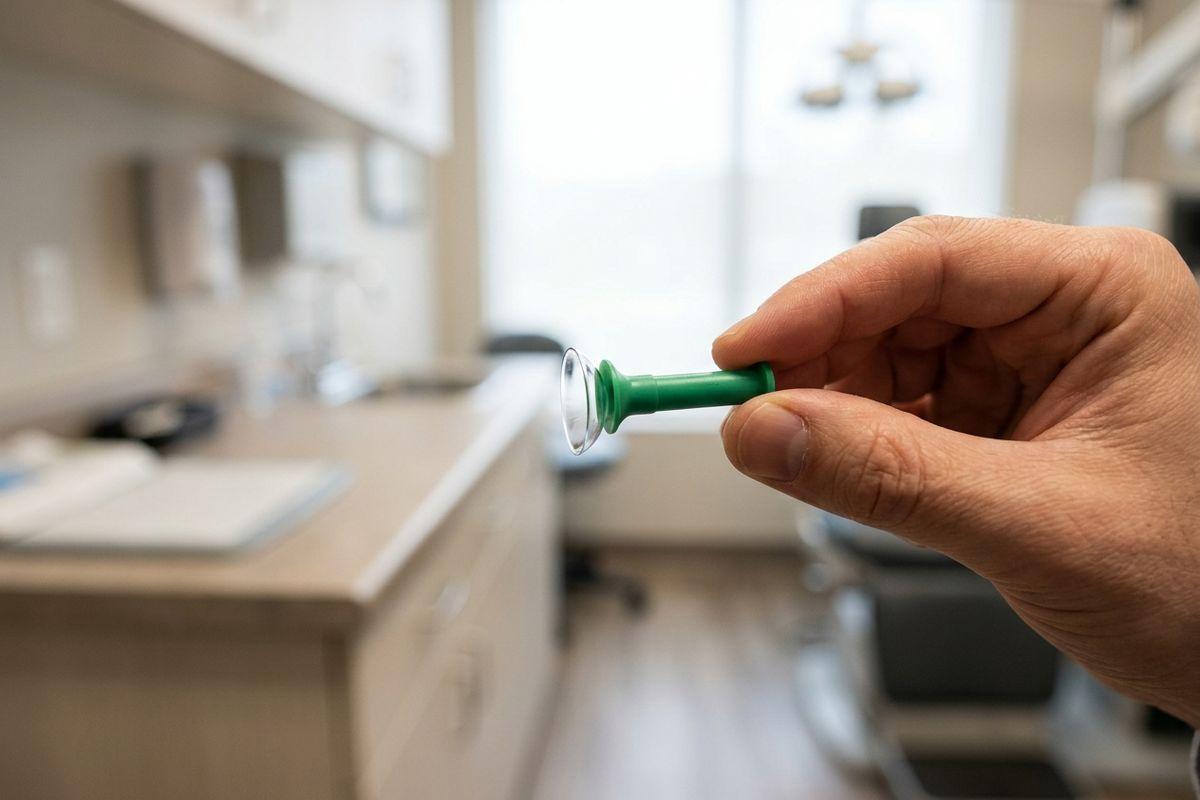
Orthokeratology, often called ortho-k, takes a different approach. Your child wears these lenses overnight, and the lenses gently reshape the surface of their corneas while they sleep. By morning, the lenses come out, and your child can see clearly throughout the day without having to wear contacts or glasses.
Key Benefits for Your Child’s Vision and Quality of Life
The most immediate benefit is obvious: your child sees more clearly. But the longer-term benefits are what make myopia control worth considering seriously.
Myopia that progresses significantly over time is associated with a higher risk of conditions like retinal detachment and glaucoma later in life. Slowing that progression now can lower those risks down the road. Your child may also notice less eye strain during school, homework, and screen time, since their eyes aren’t working as hard to compensate for a worsening prescription.
Plus, without the constant need for glasses, children have fewer limitations during sports, outdoor play, and everyday activities.
Are Myopia Control Lenses Worth It?
The Long-Term Value of Starting Early
The earlier myopia control treatment begins, the more opportunity there is for meaningful benefit. A child who starts treatment at age 8 has more years ahead of them to slow progression compared to one who starts at 13. That’s a meaningful reason not to wait. Understanding how myopia progression changes with age can help you make a more confident decision about your child’s future.
What to Expect During Treatment
Consistency matters. Lenses need to be worn as directed for treatment to have its intended effect. Regular eye exams allow your optometrist to monitor how your child’s eyes are responding and make adjustments if needed.
Treatment is an ongoing process, not a one-time fix, and staying on track with appointments keeps everything moving in the right direction. Children’s eye exams at each stage of treatment give the care team a clear picture of how your child’s vision is developing.
Support Your Child’s Eye Health Beyond the Lenses
Contact lenses are one piece of the picture. Spending time outdoors each day, even for just an hour or two, helps reduce myopia risk in children. Natural light and the act of focusing on distant objects both play a role. Where possible, limiting long stretches of close-up screen time also supports healthier eye development. Research into outdoor time and myopia risk points to bright light exposure as one of the more meaningful protective factors available to children.
Routine check-ins with optometrists in Vaughan keep treatment on track and give you a clear view of how your child’s eyes are progressing. Small, consistent habits at home, combined with professional monitoring, can make a real difference over time.
At Lowy and Sewell Eye Care, our team takes time to understand your child’s situation and help you find an approach that fits your family’s life. Reach out to us to book a consultation and learn whether myopia control contact lenses are a good fit for your child.