

Key Takeaways
- Dry eye can sting, feel gritty or cause excessively watery eyes.
- Age, medications, and your surroundings can play a part in dry eye symptoms.
- Preservative-free drops are a good fit if you use drops frequently.
- Liquid drops work well during the day, and gels or ointments can help at night.
- Optometrists in Vaughan can look for the source of your dryness and suggest drops for your needs.
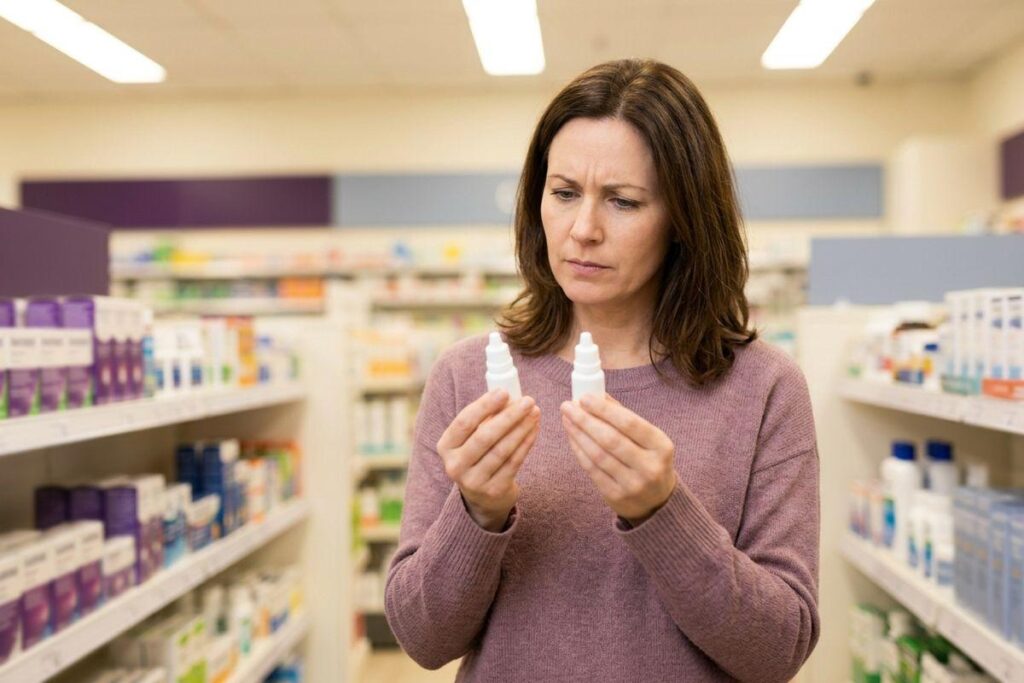
You walk into the pharmacy for eye drops and find a whole wall of bottles, each one promising relief. Our team at Lowy & Sewell Eye Care knows how overwhelming it can be, and we’re here to help you sort through which option may be right for your needs.
To choose eye drops for dry eye, you can match the formula to your type of dryness, always pick preservative-free drops, and switch to thicker gels or ointments at night. If store-bought drops aren’t helping, we offer comprehensive dry eye treatment for longer-lasting relief.
An Overview of Dry Eye Disease
Dry eye can feel different for everyone, but here are some common symptoms to be aware of:
- Your eyes sting, burn, or feel scratchy and gritty.
- Your eyes look red and feel irritated.
- Your vision blurs at times.
- You have excessively watery eyes, which can be your body’s response to the irritation.
Common Factors Behind Dry Eye
Several everyday factors can contribute to dry eye, including age, certain medications, and health conditions. Certain environmental factors can make dry eye worse, including dry air, smoke or wind, and indoor heating, which can all disrupt your tear film.
How to Choose Eye Drops for Your Type of Dry Eye
Dry eye looks different from person to person, which is why it can be helpful to pick drops that are designed for your specific needs. Talk to an eye doctor in Thornhill, Vaughan, as they can assess your symptoms, help narrow down what’s causing your discomfort, and recommend a way to manage it moving forward.
Drops for Low Tear Production
If your eyes don’t make enough tears, thin, watery drops can add moisture. Look for the words “hypotonic” or “hypoosmolar” on the label.
Drops for Fast Tear Evaporation
If your tears seem to disappear quickly, oil-based drops can help slow how fast they evaporate. Labels often say “oil” or “evaporative dry eye.”
Mixed Types of Dry Eye
Dry eye is often multifactorial, which means it’s caused by many factors instead of a single one. If your dry eye is caused by several things, it may be worth trying a few different brands of eye drops to see which works for you.
Preserved vs. Preservative-Free Eye Drops
If you only use eye drops occasionally, preserved eye drops may be just fine. However, if you reach for eye drops frequently, such as multiple times a day, they may begin to irritate your eyes. Preservative-free drops can be a good fit if you use drops multiple times a day.
You can find them in single-dose vials or multi-dose bottles, so you can choose what fits your routine.
Gels and Ointments
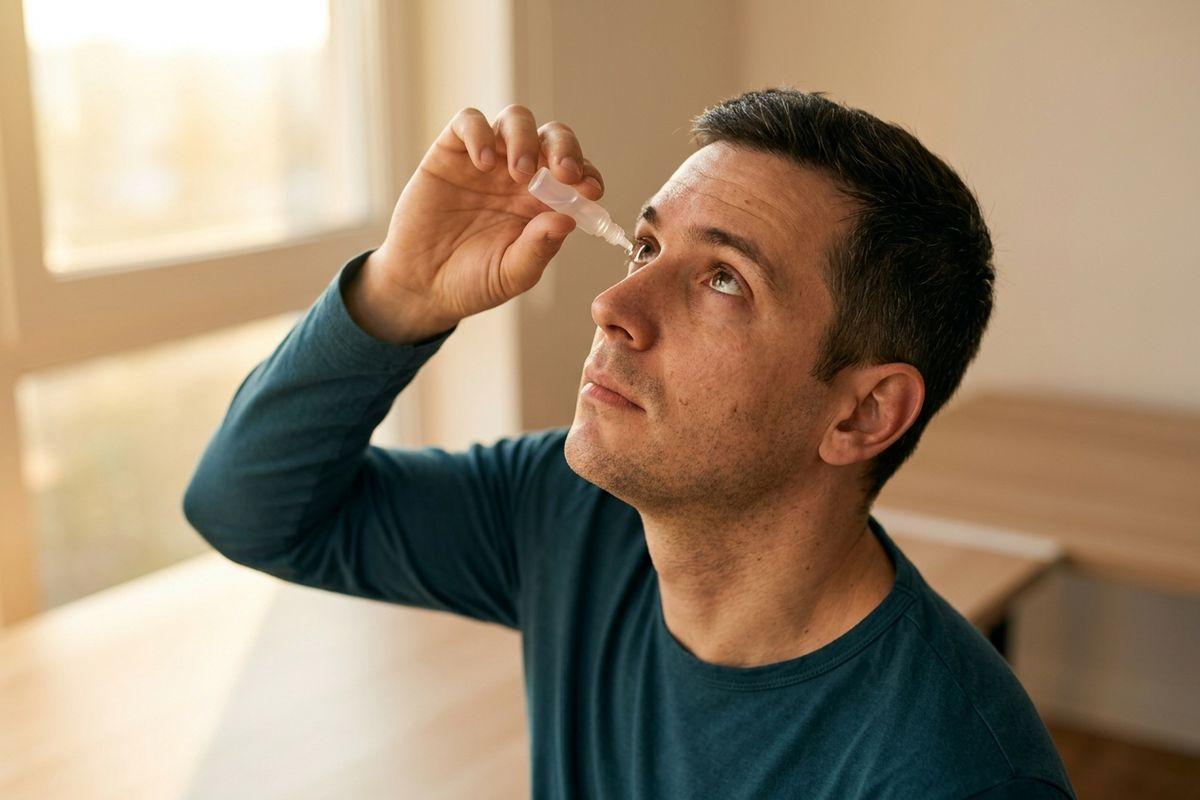
Thicker gels and ointments are often recommended before bed. They last longer, but they may blur your vision for a while, which is why they’re often better suited for sleep. Apply ointment as the last step before bed, after you’ve set down your phone and turned off the lights.
Tips for Contact Lens Wearers
If you wear contacts, keep these steps in mind:
- Choose preservative-free drops labelled safe for contacts.
- Remove your lenses before you use any drops not safe for contacts.
- Follow the instructions on the bottle before putting contact lenses back in.
A Note on Redness Relief Drops
Why Redness Relief Drops Fall Short
Redness relief drops can make your eyes look clearer for a short time, but they don’t treat dryness. Over time, they actually may lead to more redness and irritation. This is why it’s important to talk to an eye doctor about eye drops that may be well-suited for your situation.
Get Relief for Dry Eye in Vaughan
During an eye exam, your eye doctor can assess your eyes for signs of dryness. From there, the optometrist can give you personalized drop and treatment recommendations based on your eyes and your daily routine. If you’ve tried a few bottles and your eyes still feel gritty by evening, we encourage you to book an appointment with our team today.