

Key Takeaways
- Myopia, or nearsightedness, makes faraway objects look blurry while close objects stay clear.
- Family history, long hours of close-up work, and less time outdoors can raise your risk of developing myopia.
- Myopia often starts in childhood and, in most cases, can worsen as they grow.
- Glasses, contact lenses, and LASIK for eligible people can correct distance vision, and myopia management may help slow progression in kids.
- Regular eye exams help track changes in your vision over time.
Myopia, also called nearsightedness, is an eye condition that impacts around 30% of Canadians. You might know that myopia makes distant objects appear blurry, but do you know what causes it? At Lowy & Sewell Eye Care, our team is here to help you understand what causes myopia and what you can do about it.
Myopia is most often caused by the eye growing too long from front to back. Several factors can increase your risk of developing myopia, including genetics, age, background, and habits. If you or your child notice blurry distance vision, it’s a good idea to book a comprehensive eye exam with our team.
What Is Myopia?
Myopia, also called nearsightedness, causes distant objects to appear blurry while nearby ones stay clear. Myopia can have multiple causes, but the most common is the eye growing too long from front to back.
When the eye is too long, light focuses in front of the retina (the back of the eye) instead of on it. The result is clear close-up vision and fuzzy distance vision.
What Are the Main Risk Factors for Myopia?
Genes and Family History
Myopia often runs in families. Your chance of developing it is higher if one or both of your parents have myopia, and certain genes can pass it from one generation to the next. If you wear glasses for distance, it’s a good idea to watch your child’s eyes, too, since they are at higher risk of developing myopia.
Close-Up Work and Less Time Outdoors
There is a link between long periods of close-up focus and a higher risk of developing myopia. Reading, working on a computer, and scrolling on a phone keep your eyes focused up close for long stretches. This, coupled with less outdoor time, has been associated with a higher risk of myopia development.
Because of this, it’s often recommended for children to spend 1 to 2 hours a day outside, in natural light, looking at objects in the distance.
Other Risk Factors
Myopia often starts in childhood or the teen years. People of East Asian descent also have a higher chance of developing it. However, some people can still develop myopia later in life, and blurry distance vision as an adult is still worth a checkup.
Signs of Myopia in Adults and Kids
Signs in Adults
As an adult, you might notice these signs:
- Road signs or faraway objects look blurry.
- You need to squint to see far away, feel eye strain, or get headaches after looking at distant objects.
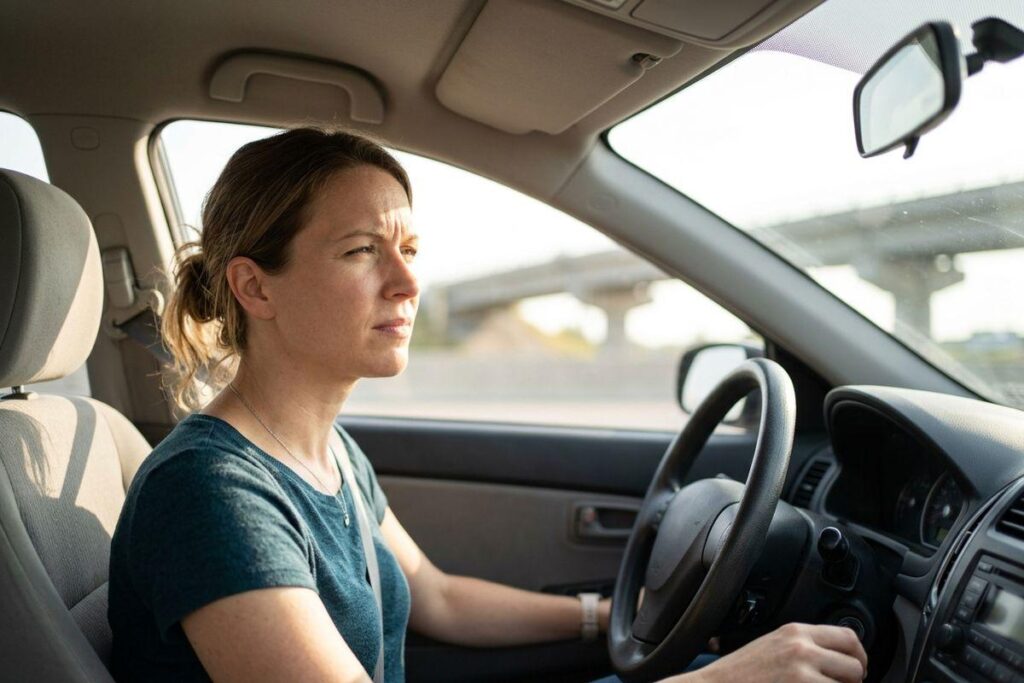
- You have trouble seeing clearly at night, especially while driving.
Signs in Kids
Kids often assume everyone sees the way they do, so they may not tell you that they’re having trouble seeing. If you notice any of these signs, it may be time for a children’s eye exam:
- They squint to see objects in the distance.
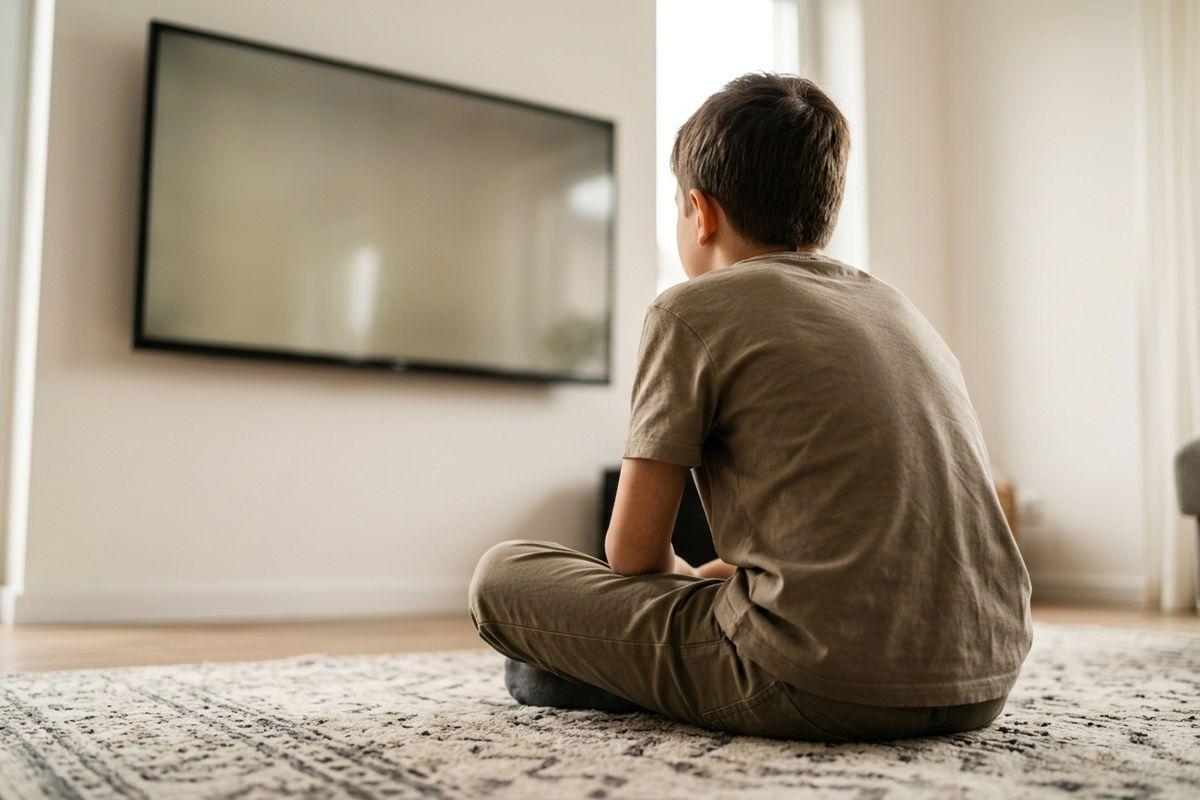
- They sit very close to the TV.
- They hold books close to their face.
- They complain of headaches after tasks that require visual focus.
How Myopia Changes Over Time
Myopia and Age
Myopia can worsen during childhood and the teen years as the eyes continue to grow longer. Though everyone is different, myopia often slows naturally in the late teens or early 20s, when growth slows.
Higher levels of myopia raise your lifetime risk of other eye conditions, including retinal tears or detachment, glaucoma, and more. Regular checkups help keep track of your eye health, even once your prescription feels steady.
Options to Correct and Manage Myopia
Depending on your age and visual needs, your eye doctor may recommend some of the following options for managing myopia:
- Glasses or contact lenses, which can correct your blurry vision and provide you with clear sight for your daily tasks.
- Surgery options like LASIK, which may suit some adults.
- Myopia management to help slow progression in kids.
Simple Ways to Support Your Eye Health
Daily Habits for Your Eyes
Small daily habits can help support your eyes. Try to spend more time outside. That could include sending your kids outside to play after school, or taking your own lunch break on a patio bench in the sunshine.
During close-up work, try the 20-20-20 rule. Every 20 minutes, look at something 20 feet away for 20 seconds.
The Importance of Regular Eye Exams
Regular checkups track changes in your vision over time, so your prescription keeps up with you. For kids who show signs of myopia, early care gives your family more time to explore options like myopia management.
Optometrists in Thornhill, Vaughan can assess your vision, daily habits, and family history to help you find the right options.
Book an Eye Exam in Vaughan
Myopia can show up at any age, and your family history and daily habits both play a part. At Lowy & Sewell Eye Care, our team takes time to get to know you and your family, from your child’s first eye exam to your own regular visits. Book an appointment to discuss your vision and find a plan that fits your life.